How Long Does Ingrown Toenail Surgery Recovery Take in Townsville?

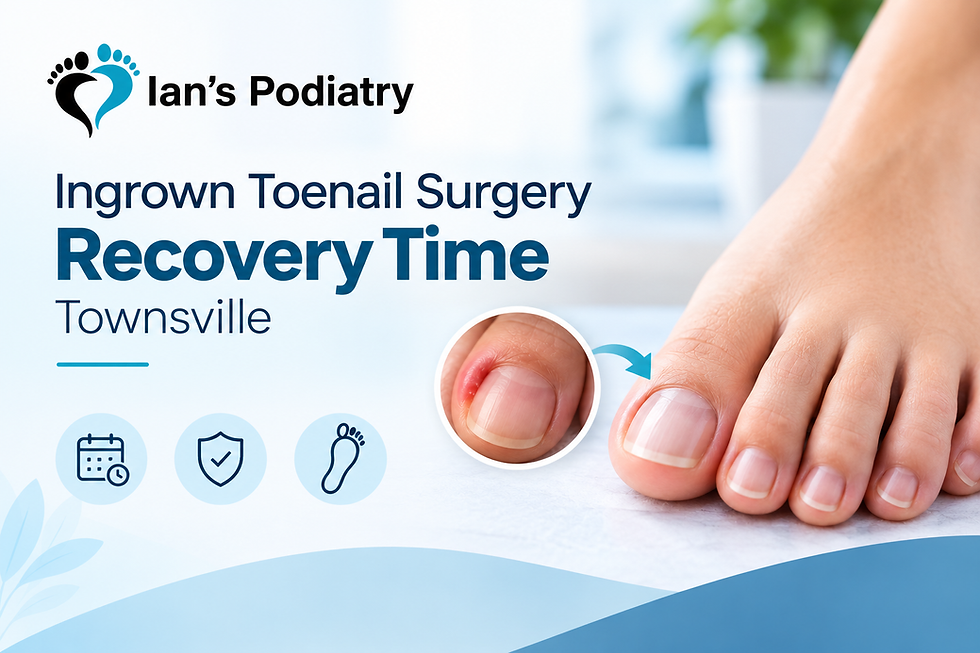
An ingrown toenail can make everyday activities such as walking, exercising, and wearing shoes uncomfortable. When an ingrown toenail keeps returning or does not improve with conservative treatment, a podiatrist may recommend nail surgery.
Understanding Ingrown Toenail Surgery Recovery Time Townsville patients can expect is an important part of preparing for the procedure. Recovery varies depending on whether part or all of the nail is removed, the condition of the toe, the type of procedure performed, and individual healing factors.
At Ian’s Podiatry, ingrown toenails and nail surgery are among the podiatry services offered at the clinic in Thuringowa Central, Townsville. The practice provides conservative treatment as well as minor nail surgery options for painful, infected, or recurring ingrown toenails.
What Is Ingrown Toenail Surgery?
Ingrown toenail surgery is a minor procedure used when an ingrown nail is persistent, painful, recurring, or difficult to manage with conservative treatment.
Depending on the condition, a podiatrist may remove only the problematic edge of the nail rather than the entire nail. This is commonly known as a partial nail avulsion.
Healthdirect Australia explains that ingrown toenail procedures are generally performed using local anaesthetic and may involve removing part or all of the nail, depending on the situation.
Ian’s Podiatry explains that minor nail surgery may be recommended when an ingrown nail continues to cause problems, with the procedure performed under local anaesthetic.
How Long Is Ingrown Toenail Surgery Recovery Time in Townsville?
There is no single recovery time that applies to everyone.
For a partial nail procedure, the wound may take approximately 4–6 weeks to fully heal, although the patient may be able to walk and perform many normal activities sooner, depending on their individual situation and the advice provided by their podiatrist.
Healthdirect advises spending most of the first few days with the leg elevated to help reduce swelling. After that, activity can generally be increased gradually, while strenuous exercise and sports are usually avoided for around two weeks unless the treating clinician provides different instructions.
A General Recovery Timeline
First few days: The toe may feel tender, and some swelling or drainage can occur. Keeping the foot elevated can help manage swelling.
First 1–2 weeks: The toe continues to heal. Comfortable footwear is important, and strenuous exercise or activities that put pressure on the toe may need to be avoided.
Weeks 3–4: Healing should continue, although the surgical area may not yet be completely healed.
Around 4–6 weeks: Many partial nail procedures are approaching full healing by this stage, although some people may take longer.
Your individual recovery may be shorter or longer depending on your procedure, health, and how the wound responds.
What Is Aftercare for Nail Surgery in Townsville?
Good wound care is an important part of recovery.
Aftercare For Nail Surgery Townsville patients receive should always follow the specific instructions provided by their podiatrist because dressing schedules and wound-care instructions can vary between procedures.
General aftercare may include:
Keeping the dressing clean and protected
Following instructions for dressing changes
Keeping the toe dry when instructed
Elevating the foot during the early recovery period
Wearing comfortable, roomy footwear
Avoiding activities that place excessive pressure on the toe
Avoiding swimming until the wound has sufficiently healed
Attending any recommended follow-up appointments
Some post-operative guidance recommends regular dressing changes during the healing period to protect the wound and reduce infection risk.
Why Is Foot Elevation Important After Nail Surgery?
Swelling can occur after a procedure, particularly during the first few days.
Keeping the leg elevated when resting can help reduce swelling and may make the toe more comfortable.
Healthdirect specifically recommends spending most of the first few days with the leg raised following ingrown toenail surgery.
You do not necessarily need to remain completely inactive. Your podiatrist can advise you about when and how to gradually return to normal activity.
What Shoes Should You Wear After Nail Surgery?
Footwear is an important consideration during recovery.
Tight shoes can place pressure on the treated toe and potentially irritate the healing area. Comfortable shoes with sufficient room around the toes are generally preferable.
Depending on the procedure and dressing, open footwear or a roomy shoe may be more comfortable initially.
As the toe heals, your podiatrist can advise you when it is appropriate to return to your usual footwear.
When Can You Exercise After Ingrown Toenail Surgery?
Returning to exercise too quickly can put unnecessary pressure on the healing toe.
Healthdirect advises avoiding sports and strenuous exercise for approximately two weeks following ingrown toenail surgery, although the exact timeframe should be determined by the treating healthcare professional.
For activities involving running, jumping, kicking, or tight sports footwear, you may need additional time before returning comfortably.
A gradual return is generally preferable to immediately returning to high-impact activity.
Can You Walk After Nail Surgery?
Many patients can walk after an ingrown toenail procedure, but the amount of walking that is appropriate depends on the procedure and individual circumstances.
The first few days are generally the period when patients should take extra care and keep the foot elevated when resting. After that, activity can usually be increased gradually according to clinical advice.
If walking causes increasing pain, bleeding, or irritation around the wound, contact your treating podiatrist for advice.
What Should You Avoid During Recovery?
During the healing period, avoid activities that could irritate or injure the treated toe.
These may include:
Tight-fitting footwear
High-impact exercise
Running before you are cleared to do so
Picking at the wound
Removing dressings earlier than instructed
Swimming while the wound is still healing
Attempting to cut or manipulate the remaining nail
The exact restrictions depend on the procedure and your podiatrist's instructions.
What Are Signs That You Should Contact Your Podiatrist?
Some tenderness and wound drainage can occur during healing. However, symptoms that are getting worse rather than gradually improving should be assessed.
Contact your podiatrist or healthcare professional if you notice:
Increasing rather than improving pain
Significant swelling
Increasing redness
Pus or unusual discharge
Persistent bleeding
Fever or feeling unwell
Problems with the dressing or wound
Concerns about how the toe is healing
Healthdirect lists infection, pain, bleeding, scarring, and recurrence as possible complications associated with ingrown toenail surgery.
Can an Ingrown Toenail Come Back After Surgery?
There is a possibility of recurrence, depending on the procedure and individual circumstances.
The purpose of some partial nail procedures is to remove the problematic section and prevent that portion from growing back. Ian’s Podiatry notes that recurring ingrown nails may be associated with factors such as the natural curvature of the nail or incorrect nail-cutting technique.
After treatment, appropriate nail care and footwear can help reduce unnecessary pressure on the toes.
Who May Need Extra Care During Recovery?
Some people may have a higher risk of complications or delayed healing.
This can include people with conditions such as diabetes, circulation problems, or other health issues that affect healing. Healthdirect notes that complication risks can be higher in people with certain health conditions, including diabetes.
If you have an underlying health condition, tell your podiatrist before undergoing nail surgery so that your treatment and aftercare can be planned appropriately.
When Should You Consider Nail Surgery?
Not every ingrown toenail requires surgery.
Early or mild cases may sometimes be managed with conservative podiatry care and changes to footwear or nail-care habits. However, surgery may be considered when an ingrown toenail is:
Recurrent
Very painful
Persistent
Causing repeated inflammation
Associated with infection
Not responding to conservative treatment
Ian’s Podiatry provides both conservative ingrown toenail care and minor nail surgery options.
Why Choose Ian's Podiatry for Ingrown Toenail Treatment in Townsville?
Ian’s Podiatry is a podiatry clinic located at 6 Carthew Street, Thuringowa Central, Townsville, QLD. The clinic provides podiatry services including nail treatments and nail surgery.
The practice focuses on foot, ankle, and lower-limb care and aims to provide individualised podiatry treatment in a welcoming clinical environment.
If you have a recurring ingrown toenail, getting it assessed early can help determine whether conservative care or nail surgery is the more appropriate option.
Frequently Asked Questions
How long does ingrown toenail surgery recovery take in Townsville?
Recovery varies, but partial nail surgery may take around 4–6 weeks to fully heal. Normal activities may resume progressively sooner, depending on the procedure and your podiatrist's advice.
How long should I avoid exercise after nail surgery?
Healthdirect recommends avoiding sports and strenuous exercise for around two weeks, although your individual instructions may differ.
What is the most important aftercare for nail surgery?
Keeping the wound protected, following dressing instructions, managing swelling, wearing comfortable footwear, and following your podiatrist's activity restrictions are important parts of recovery.
Can I wear normal shoes after ingrown toenail surgery?
This depends on the dressing, swelling, wound location, and type of procedure. Roomy and comfortable footwear is generally preferable while the toe is healing.
When should I contact a podiatrist after nail surgery?
Contact your podiatrist if pain, redness, swelling, or discharge is increasing, or if you are concerned about infection or delayed healing.
Get Professional Ingrown Toenail Care in Townsville
Recovery after ingrown toenail surgery is usually manageable when patients follow their aftercare instructions and give the toe enough time to heal. While many people can gradually return to normal activities relatively quickly, complete wound healing can take several weeks.
If you are dealing with a painful or recurring ingrown toenail, Ian’s Podiatry can assess your toe and discuss suitable treatment options.
Book an appointment with Ian’s Podiatry in Thuringowa Central, Townsville, to discuss your ingrown toenail and nail treatment options.


Comments